A garden can appear to be a quiet place. Beneath the flowers, however, roots are pressing against boundaries, seeds are claiming space and entire ecosystems are negotiating how to live together.
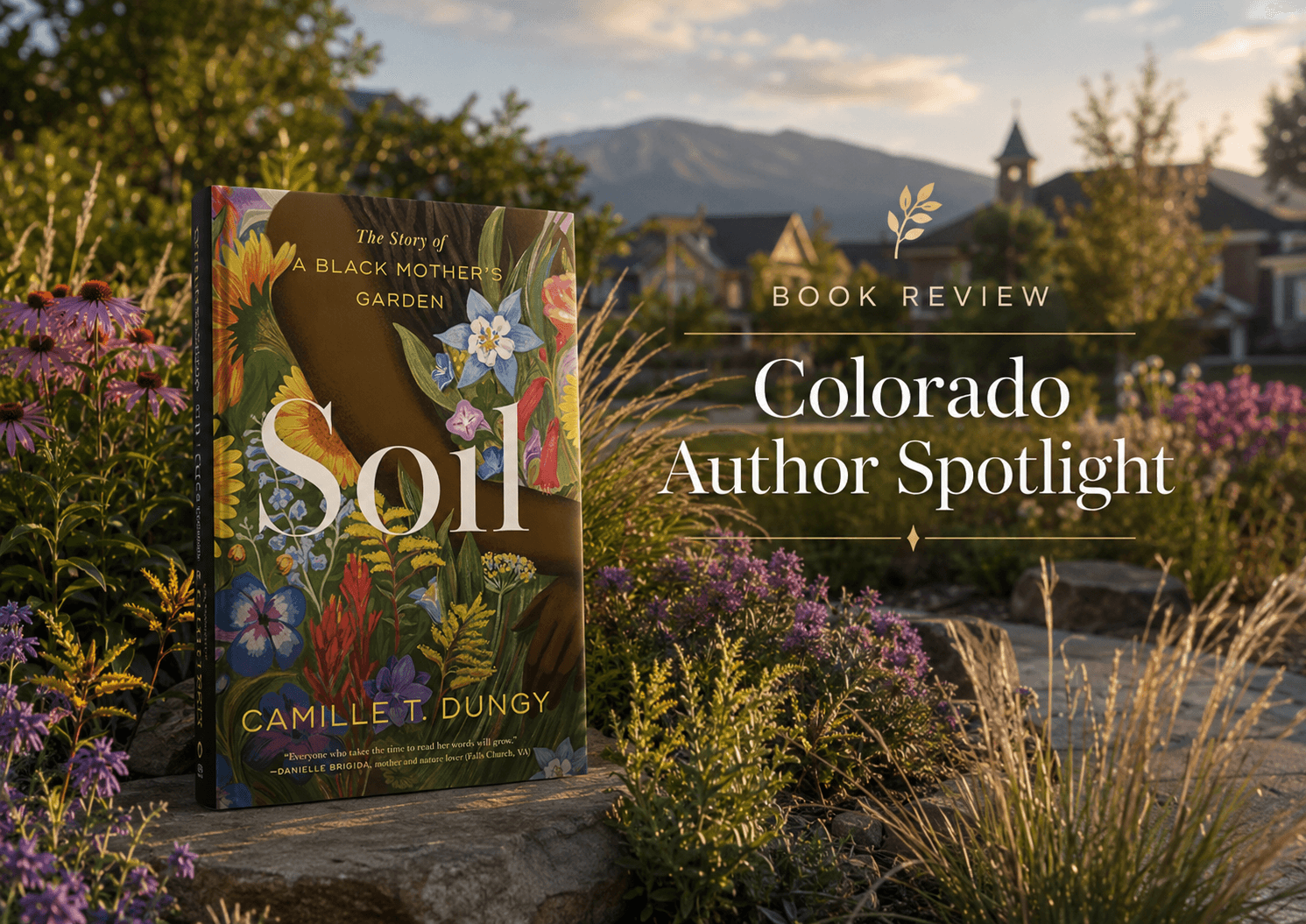
That is the fertile ground Colorado author Camille T. Dungy explores in Soil: The Story of a Black Mother’s Garden.
Dungy, a University Distinguished Professor at Colorado State University, moved to Fort Collins with her husband and daughter in 2013. She encountered neighborhood expectations and restrictions that favored tidy lawns and limited what residents could grow. Over the next seven years, she worked to replace sameness with a more diverse, vibrant and ecologically useful garden.
But Soil is not simply a gardening book.
Dungy weaves together Black motherhood, family, history, environmental justice and the experience of creating a place where both plants and people are permitted to flourish. Her garden becomes a living argument against monoculture, not only in landscaping, but also in communities and in the stories society chooses to preserve.
That makes Soil especially meaningful for Centennial.
Across our community, homeowners are reconsidering what a beautiful Colorado yard can look like. Traditional lawns require substantial water and maintenance, while native and drought-tolerant plants can support pollinators, conserve resources and add texture and seasonal color. Local residents can see examples of completed Centennial water-wise yard projects or explore professionally designed Colorado garden kits through Resource Central’s Garden In A Box.
Dungy’s work also invites us to ask deeper questions. Who created our neighborhood standards? Which forms of beauty are welcomed? What happens when maintaining a uniform appearance becomes more important than encouraging life?
The book does not demand that every reader remove an entire lawn or begin a backyard revolution before breakfast. Instead, it encourages closer attention. A patch of native flowers, a pollinator garden or a conversation with neighbors about changing landscaping expectations can become a small but meaningful beginning.
Soil reminds us that cultivating a community resembles cultivating a garden. Diversity cannot merely be tolerated around the edges.
It must be given light, room and care.
Centennial readers can purchase Soil: The Story of a Black Mother’s Garden here.


14 Comments
Join the conversation
I’m definitely curious about how race/history intersect with how neighborhoods develop their landscape rules. Seems like something we don’t talk about enough.
I used to think native gardens were just for folks who didn’t want to mow. Turns out, they’re way more colorful and interesting than grass ever was!
Appreciate that the book isn’t shaming people out of their lawns. Change happens with small steps—like even just planting one patch of natives.
I enjoy gardening but always feel pressure to make it look like everyone else’s yard. Might be time to stop worrying and plant what matters to me instead.
It’s so true that we can’t just tuck diversity into the edges. Wish more HOAs would get on board with this kind of thinking!
Dungy's approach to community and gardening makes me want to chat with my neighbors more. Maybe we could start a block-wide pollinator strip.
Anyone know if changing to native plants really helps with the water bill? I’d love to save some money AND see more bees.
I grew up in a neighborhood where my dad got written up for having wildflowers instead of grass. Funny how much these ideas stick with us. Glad to see people challenging the old standards!
I’ve volunteered with Resource Central before and those Garden In A Box kits are great! Makes it way easier for newbies to start.
Honestly, I'm not totally convinced everyone ditching their lawns will look good. I get the environmental part, but worried it could just make some neighborhoods messy if folks aren’t careful.
Thank you for spotlighting Dungy’s work! As a Black mom myself, it means a lot to see our stories included in places like this, and in the stories of our gardens too.
I hadn't thought about what rules even go into what we can or can't plant in our yards. Who actually sets these standards, anyway?
My daughter and I tried planting a pollinator garden last spring. It wasn’t perfect, but we had so many butterflies! Love that this book encourages trying, not perfection.
I've always wondered why everyone in Centennial is so obsessed with perfect green lawns. This book sounds like it gets at WHY that's the case. Maybe it's time we all tried something a little different in our front yards.